The Internet of Behaviour: The Story Hidden Behind Our Clicks
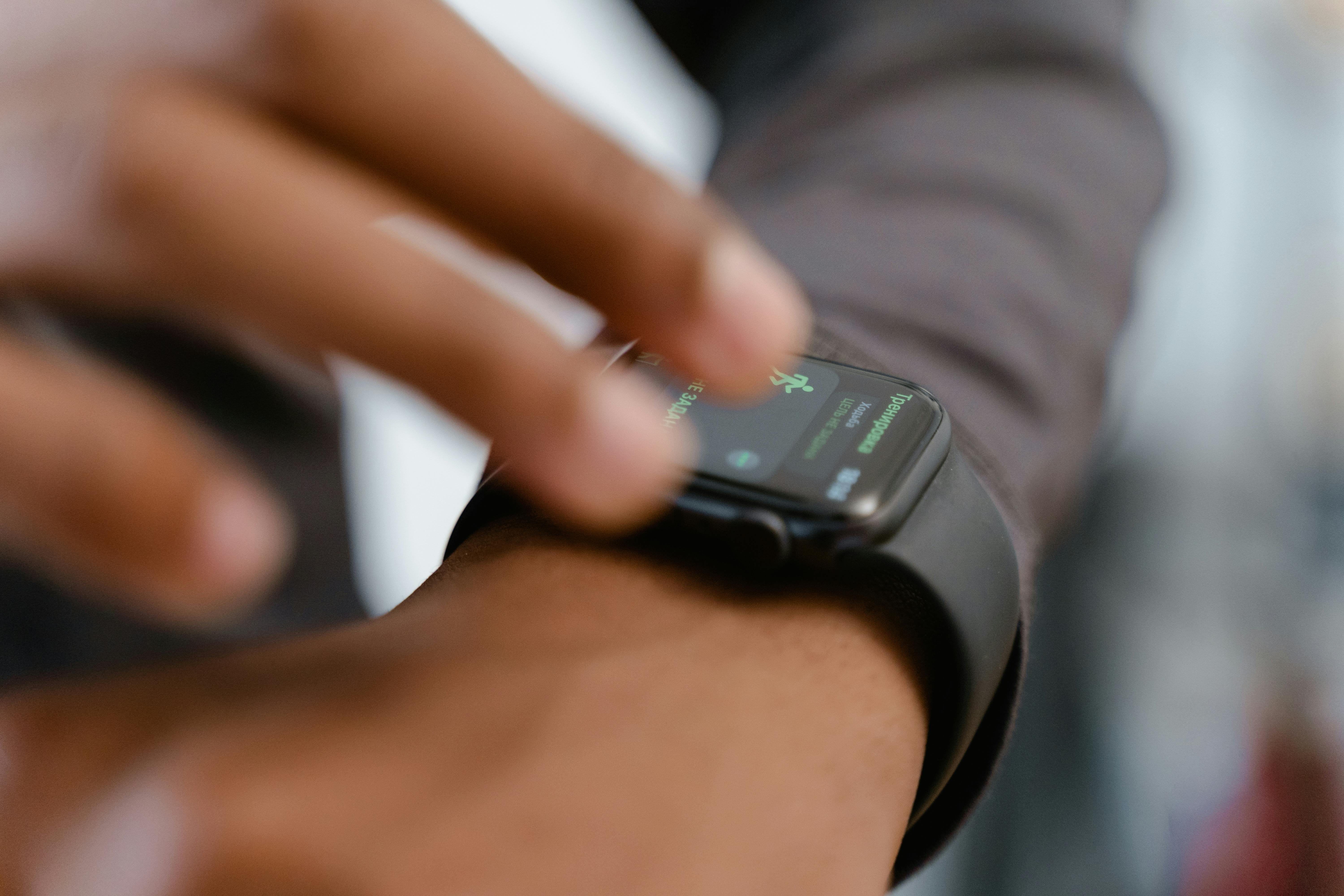
When Ebolo unlocked her phone one morning, a notification blinked at the top of her screen:
“You’ve been sleeping later than usual. Here are some tips to get back on track.”
She hadn’t asked for sleep advice. She hadn’t even downloaded a new app. Yet somehow her device knew that her routine had slipped over the past week.
We’ve all had these moments, when the digital world seems to read between the lines of our lives. And this is where a rising idea quietly slips in: the Internet of Behaviour, often shortened to IoB.
So what exactly is IoB?
Think of IoB as the part of the internet that doesn’t just track what we do online, it tries to understand why we do it.
It’s built on the data we leave behind every day:
-
what we click,
-
where we go,
-
how long we pause on a video,
-
the tone of our messages,
-
even heart-rate data from smartwatches.
Companies and systems use this information to sketch a picture of our habits and motivations. Then, they gently nudge us—sometimes helpfully, sometimes annoyingly, toward certain behaviors.
A world quietly shaped by nudges
Take Liana’s sleep notification. Her phone had monitored her bedtime pattern, compared it with past trends, and concluded something was off. Then it offered a fix.
On a larger scale, IoB shapes everyday experiences:
-
Streaming apps don’t just recommend movies; they build a profile of your moods and viewing cycles.
-
Navigation apps learn when you’re likely to commute and pre-load traffic info before you ask.
-
Shopping platforms notice your late-night browsing habit and send discounts when you’re most likely to cave.
None of this happens by accident. Behind the scenes, IoB is quietly crunching numbers, mapping behavior, and predicting your next move.
Why is IoB suddenly a big deal?
The internet used to be about connecting devices, that was the Internet of Things.
Now, it’s shifting toward understanding people.
Tech companies realized that sensors, apps, cameras, and wearables collect more than raw data. They collect patterns. And patterns are powerful: they can shape decisions, streamline services, and even influence public behavior.
During the pandemic, for example, some cities used behavioral data to encourage safer habits—like spacing reminders based on shopping-mall foot traffic trends.
Convenient? Yes. Creepy? Also yes.
There’s an unspoken tension around IoB.
On one hand, it promises a smarter world.
On the other, it raises thorny questions:
Who owns this insight into our minds? What happens when predictions go wrong? And how much should technology know about what makes us tick?
IoB can be incredibly helpful, but only when handled with transparency and respect for privacy. Otherwise, it risks crossing the thin line between guiding behavior and shaping it too aggressively.
Where does this all lead?
Ebolo didn’t think much of that notification. She shrugged, locked her phone, and went back to her day. But the moment represented something bigger, something quietly weaving itself into modern life.
The Internet of Behaviour isn’t a futuristic concept waiting to arrive.
It’s already here, embedded in the decisions our devices make on our behalf every day.
And whether we embrace it or side-eye it, one thing is clear:
We’re stepping into a world where technology doesn’t just watch what we do.
It tries to understand who we are, and predict who we might become.
Comments (0)
Leave a Comment
No comments yet. Be the first to comment!